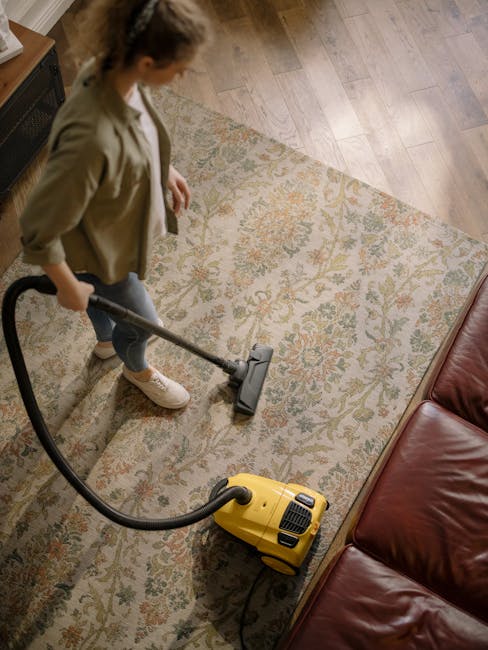
Green Lanes carpet cleaning guide for local homes
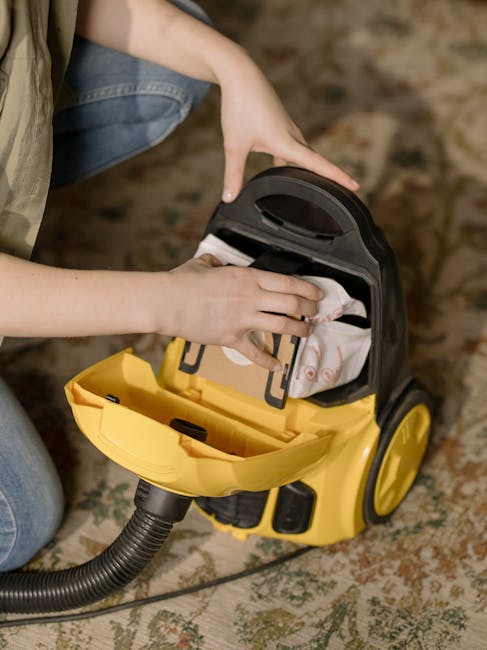
If you live in or around Green Lanes, keeping carpets fresh is a bit of a moving target. Rain gets tracked in, pets do their thing, children drop crumbs, and busy hallways collect the kind of grit you only really notice once the light hits it just right. This Green Lanes carpet cleaning guide for local homes is here to make the whole process simpler, calmer, and a lot more practical.
Whether you are dealing with everyday wear, a stubborn spill, or that slightly damp smell after a wet week, the right approach can save time and help carpets last longer. In this guide, you will learn how residential carpet cleaning works, what methods suit different homes, which mistakes to avoid, and when it makes more sense to bring in professional help. Straightforward advice. No fluff.
And yes, if you have ever looked at a living room carpet and thought, "Where did that mark even come from?" - you are in good company.
Why Green Lanes carpet cleaning guide for local homes Matters
Carpets do more than soften a room. They absorb footsteps, dust, pet hair, pollen, spill residue, and a surprising amount of everyday life. In a busy London home, especially one with shared entrances or frequent visitors, that build-up happens faster than many people expect. A proper carpet cleaning routine is not just about appearance. It is about hygiene, comfort, odour control, and preserving the carpet fibres before they get flattened or permanently stained.
Green Lanes has the usual mix of housing types you would expect in a lively urban area: flats, terraced homes, maisonettes, family properties, and rental spaces that see a lot of turnover. Each one brings different challenges. A ground-floor flat might deal with extra street dust. A family home might need more attention around stairs and play areas. A rented property may need a deep refresh between tenancies. The point is simple: one-size-fits-all advice rarely works.
It also matters because carpets age quietly. They do not fail all at once. They slowly lose texture, colour, and bounce. The right cleaning approach can delay that, sometimes by years. That is a real saving, not just a cosmetic nice-to-have.
For homeowners who want a professional-grade clean, it helps to understand the service first. You can review the core carpet cleaning service alongside related options such as steam carpet cleaning and more targeted stain removal support when a specific spill needs extra attention.
How Green Lanes carpet cleaning guide for local homes Works
Most residential carpet cleaning jobs follow a similar pattern, even if the equipment or solution changes. First comes inspection. Then dry soil removal. Then treatment for stains or traffic lanes. After that, the carpet is cleaned using the chosen method and allowed to dry properly. The details matter more than the labels.
In plain English, carpet cleaning is about lifting dirt out of the pile instead of simply moving it around. That can happen with hot water extraction, low-moisture methods, steam-based processes, or specialist spot treatment. The best method depends on fibre type, backing, age, and condition.
Here is the practical bit: not every carpet likes the same treatment. Wool, for example, needs more care than many synthetic fibres. Older carpets, delicate rugs, and heavily soiled stairs all need judgement. A rushed clean can leave streaks, overwetting, or a crunchy feel underfoot. Nobody wants that. Not really.
Professionally, a good clean often starts with a quick walk-through of the property, a test on an inconspicuous area if needed, and clear discussion about any stains, odours, or furniture movement. If you want to understand the broader company approach to quality and service standards, the about us page gives useful context, while insurance and safety matters when work is being carried out inside your home.
Key Benefits and Practical Advantages
There are obvious benefits to clean carpets, and then there are the less obvious ones. The obvious part is easy: fresher appearance, fewer visible marks, and a better first impression when you walk into the room. The less obvious part is where the real value often sits.
- Improved indoor comfort: Clean fibres feel better underfoot and can reduce that stale, dusty look some carpets develop.
- Odour reduction: Spills, pets, and damp shoes can leave lingering smells that normal vacuuming will not touch.
- Longer carpet life: Embedded grit acts like sandpaper. Removing it helps fibres stay upright for longer.
- Better presentation for guests or tenants: This is especially useful before moving out, after renovations, or ahead of family visits.
- Support for allergy-sensitive households: While no cleaning method is a cure-all, regular maintenance can help reduce accumulated dust and debris.
There is also a practical household rhythm to it. Once carpets are clean, the rest of the home often feels cleaner too. Funny how that works. A fresh hallway can make the whole place seem lighter, even before you have done anything else.
If your concern is a specific area rather than the entire floor, the service menu can help you choose the right follow-up. For example, rug cleaning is useful for loose floor coverings, and pet stain and odour removal is more appropriate when animals are the main issue.
Who This Is For and When It Makes Sense
This guide is for anyone managing a home carpet that has moved beyond routine vacuuming. That might mean a busy family, a tenant preparing for inspection, a landlord turning over a property, or someone who simply wants the place to feel cleaner after a wet and muddy season. Truth be told, it also suits people who keep delaying the job because they are not sure where to start.
It makes sense to act when you notice one or more of these signs:
- the carpet looks dull even after vacuuming
- traffic lanes are visibly darker than surrounding areas
- spills have left a ring or patch that keeps reappearing
- there is a lingering smell after pets, food, or damp weather
- you are preparing for guests, a move, or a tenancy change
- stairs and hallways are flattening faster than the rest of the room
Some households can manage routine maintenance themselves and only book a deeper service now and then. Others, especially homes with children, dogs, or pale carpets, benefit from more regular professional attention. There is no moral victory in waiting until the carpet is visibly struggling. It usually just means the clean becomes harder and more expensive to fix.
Where broader fabric care is needed, the same thinking applies to upholstery cleaning, sofa cleaning, and curtain cleaning. Those soft furnishings collect similar dust and odours, just in slightly different places.
Step-by-Step Guidance
If you are deciding how to handle carpet cleaning at home, this is the most practical path to follow. Keep it simple and do not rush the prep. Honestly, prep does half the job.
- Vacuum thoroughly first. Focus on edges, corners, and high-traffic paths. Dry soil lifts out better when you remove the loose grit before any wet cleaning starts.
- Identify problem areas. Look for stains, matting, pet spots, and areas near entrances. Make a quick mental map so nothing gets missed.
- Check the carpet fibre and condition. Synthetic carpets usually tolerate more than delicate wool or older textiles. If in doubt, be cautious.
- Pre-treat targeted stains. Spot treatment is often needed for tea, coffee, wine, food, or tracked-in dirt. Use a method suited to the stain rather than scrubbing harder and hoping for the best.
- Choose the right cleaning method. Hot water extraction is common for deeper cleaning. Low-moisture methods can be useful where drying time matters. Some rooms just need a lighter refresh.
- Control moisture. Too much water can lead to slow drying, edge wicking, or a musty smell. Better to use less and repeat carefully than flood the area once.
- Allow proper drying. Keep air moving, avoid heavy foot traffic, and do not put furniture back too early unless it has protection under the legs.
- Inspect once dry. Check whether any stain has resurfaced, which can happen when residue rises as the carpet dries. If it has, treat it again rather than ignoring it.
One small but useful point: a carpet that looks clean while damp may still dry unevenly. Give it time. The final finish often appears hours later, sometimes the next morning. A bit annoying, sure, but normal.
Expert Tips for Better Results
In our experience, the best results come from restraint, preparation, and a little patience. The dramatic approach is rarely the smart one.
- Blot, do not rub. Rubbing pushes stains deeper and can rough up the pile.
- Test cleaners first. Even mild products can affect dyes or texture on some carpets.
- Work from the outside of a stain inward. This helps prevent the mark spreading.
- Use clean cloths often. A dirty cloth just transfers grime back onto the carpet.
- Open windows where safe and practical. Fresh air helps drying, though weather and security obviously matter.
- Lift furniture carefully. Heavy items can leave dents or transfer rust, wood stain, or dirt if moved carelessly.
- Treat odour separately from appearance. A carpet can look fine and still smell unpleasant if residue remains underneath.
For recurring pet-related marks, it is usually better to address the source and the carpet together. That might mean cleaning a rug, checking cushions or upholstery, and treating the odour path instead of only the visible spot. Smells have a habit of wandering. Sneaky little things.
If you are comparing service depth, it can also help to understand whether a home needs a general refresh or a more specific method such as steam carpet cleaning. The right call depends on the fabric and the level of soiling.
Common Mistakes to Avoid
Most carpet problems after cleaning come from a few repeat mistakes. The good news? They are avoidable once you know what to look out for.
- Using too much water: This is the classic one. Overwetting can prolong drying and make the carpet feel off.
- Scrubbing aggressively: It sounds productive, but it often spreads the stain or damages the pile.
- Skipping vacuuming first: Wet cleaning over loose grit can turn surface dust into sludge.
- Using the wrong product: Bleach-based or heavily scented products can cause colour loss or residue issues.
- Ignoring the backing or underlay: Some stains travel deeper than the visible pile, especially with drinks or pet incidents.
- Rushing drying time: Putting furniture back too soon can transfer rust, stain the carpet, or trap moisture.
- Assuming one pass fixes everything: Stubborn stains often need staged treatment, not brute force.
There is also a habit many people pick up from social media clips: the "more foam must mean more clean" idea. It looks satisfying on video. In real homes, not so much. Excess product can leave sticky residue that attracts dirt faster afterwards. Bit of a trap, that.
Tools, Resources and Recommendations
You do not need a van full of gear to maintain a decent carpet, but a small, sensible toolkit makes life easier. For most homes, the basics are enough.
- a reliable vacuum cleaner with a clean filter
- white microfibre cloths for blotting
- a soft brush for lifting fibres gently after drying
- a suitable carpet-safe spot treatment
- a fan or good ventilation for quicker drying
- protective pads for furniture legs after cleaning
If you are planning a deeper clean, it is worth checking the practical side of the service too. The pricing and quotes page can help with budgeting, while payment and security is reassuring if you prefer a straightforward, secure booking process. For householders who care about waste and product choice, recycling and sustainability is also a sensible page to review.
And if you want a deeper understanding of the business side before booking, the terms and conditions page is worth a quick read. Not glamorous, granted, but it helps set expectations properly.
Law, Compliance, Standards, or Best Practice
For residential carpet cleaning, the main thing to understand is that safety and sensible handling matter more than fancy language. In the UK, cleaners working in homes should follow normal health and safety practice, use equipment responsibly, and take care around electrical items, slip risks, and chemical use. If a company is entering your property, clear communication about insurance, access, and working methods is a good sign.
From a homeowner's point of view, best practice usually means:
- checking how the cleaner handles water, cords, and equipment inside the home
- making sure products are suitable for the carpet and household situation
- asking about drying expectations before work starts
- identifying fragile items, uneven floors, or rooms with limited access
- keeping pets and children away from the work area until it is safe
If you are hiring a professional service, the strongest reassurance tends to come from clear policies and transparent working practices. That includes insurance, safety procedures, privacy, and a straightforward way to raise concerns if something does not go as planned. For that reason, it is sensible to review pages such as health and safety policy and complaints procedure before you book. No one likes reading policy pages, but when it matters, it matters.
Options, Methods, or Comparison Table
The best cleaning method depends on the carpet, the soil level, and how quickly you need the room back in use. Here is a simple comparison to help you choose more confidently.
| Method | Best for | Strengths | Watch-outs |
|---|---|---|---|
| Vacuuming and spot treatment | Light upkeep and fresh spills | Fast, low cost, useful between deeper cleans | Will not remove deep soil or embedded odours |
| Hot water extraction | General deep cleaning and traffic areas | Strong soil removal, popular for residential carpets | Needs drying time and careful moisture control |
| Low-moisture cleaning | Homes needing quicker drying | Less downtime, practical for busy households | May not suit all stains or heavy soiling |
| Targeted stain removal | Specific marks such as wine, coffee, or pet incidents | Focused treatment, often the best answer for one problem area | Not a replacement for full cleaning if the carpet is generally dirty |
There is no universal winner here. A hallway that gets muddy every day is a different job from a spare room that only needs a gentle refresh. That might sound obvious, but people often choose the wrong method because they are chasing the quickest answer, not the right one.
Case Study or Real-World Example
Picture a typical Green Lanes family home: a front hallway, a living room, and a staircase that sees constant foot traffic. A dog comes in from a wet walk. A child drops squash on the lounge carpet. Nothing dramatic, just life happening all at once.
The first pass is vacuuming, especially along the edges and on the stairs where grit collects. Next comes inspection. The hallway has darkened in the traffic lane, the living room has a faint drink mark, and the stair runner has a couple of worn spots where feet always land. Instead of treating the whole carpet the same way, each area gets a different level of attention. The drink mark is spot-treated. The traffic areas are cleaned more thoroughly. The stairs are handled carefully because they tend to dry a bit slower and show overwetting quickly if you are not paying attention.
After cleaning, the room needs air. By evening, the carpet looks brighter. By the next morning, the pile has settled and the whole ground floor feels fresher. Not perfect in the fairy-tale sense, but noticeably better. More comfortable. Less stale. That is usually what people are after, even if they do not say it out loud.
When homes need extra support with related fabrics, a combined approach can help. Carpets, sofas, rugs, and mattresses all hold onto dust in different ways, so treating them as one household fabric care project can be more efficient than tackling each piece in isolation.
Practical Checklist
Use this before and after a carpet clean to keep things tidy and predictable.
- Vacuum the room thoroughly before any wet cleaning
- Move small items, toys, and loose clutter out of the way
- Identify stains, odours, and high-traffic areas in advance
- Test any product on a discreet spot first
- Keep doors or windows ready for safe ventilation where appropriate
- Protect nearby furniture and fragile items
- Allow enough drying time before replacing rugs or furniture
- Check for any remaining spots once the carpet is dry
- Arrange follow-up treatment if a stain resurfaces
- Maintain the carpet with regular vacuuming after the clean
Expert summary: the best results usually come from matching the method to the carpet, treating stains early, and giving the fibres enough time to dry properly. Simple, not easy - there is a difference.
Conclusion
A good carpet clean is less about making a room look impressive for five minutes and more about restoring comfort, hygiene, and durability in a home that gets lived in properly. That is especially true in busy Green Lanes households, where carpets work hard and pick up everyday wear quickly. If you understand the method, choose the right treatment, and avoid the common mistakes, you will get far better results than by guessing your way through it.
Whether you are dealing with a routine refresh, a stubborn spill, pet odours, or a full-home deep clean, the smartest move is to treat the carpet as part of the home's overall upkeep rather than a one-off panic job. Small, consistent care goes a long way.
Get a free quote today and see how much you can save.
And if the carpet looks a little better than you expected after all that care, well, that is a nice surprise on an ordinary day.
Frequently Asked Questions
How often should local homes in Green Lanes have carpets professionally cleaned?
That depends on how the home is used. Busy family homes, rental properties, and homes with pets usually benefit from more frequent cleaning than a spare room or guest space. A practical schedule is often based on visible soil, odour, and traffic patterns rather than a fixed rule.
Is steam carpet cleaning safe for all carpet types?
Not always. Steam-style or hot water methods can work very well on many synthetic carpets, but delicate fibres, older carpets, and some wool blends need more caution. A good cleaner will check the fibre and choose a method that suits it.
Can I remove carpet stains myself before booking a cleaner?
Yes, but keep it gentle. Blot the stain, avoid aggressive rubbing, and do not soak the area. If a stain has already set, or if you are unsure what caused it, it is safer to leave it alone until you know the right treatment.
How long do carpets take to dry after cleaning?
Drying time varies by method, moisture level, airflow, and carpet thickness. A lightly cleaned carpet may dry relatively quickly, while deep cleaning can take longer. Good ventilation helps, but you should always follow the cleaner's advice before moving furniture back.
Will carpet cleaning get rid of pet smells?
It can reduce them a great deal, especially when the odour is caused by residue rather than damage in the underlay. Strong pet odours may need targeted treatment, and in some cases a deeper inspection is needed if the smell keeps returning.
What should I do before a carpet cleaner arrives?
Clear small items, vacuum if you can, move breakables out of the way, and point out the problem areas. It also helps to mention any delicate furniture, tricky access, or stains you already know about. That saves time and avoids awkward surprises.
Is it worth cleaning carpets in a rental property between tenancies?
Usually, yes. It helps refresh the property, improve presentation, and reduce lingering smells from everyday use. It can also make inspections smoother because the rooms look cleaner and feel better cared for.
What is the difference between carpet cleaning and stain removal?
Carpet cleaning is the broader process that refreshes the whole carpet. Stain removal is targeted work on specific marks, spots, or problem areas. Many homes need both, especially if the carpet is generally fine but has one or two stubborn patches.
Can carpet cleaning help with allergies?
It may help by removing built-up dust, dirt, and debris from the pile, but it is not a medical treatment. Regular vacuuming and good household cleaning habits matter too. If allergies are a concern, it is best to keep expectations realistic and consistent.
How do I know whether to choose home cleaning or professional help?
If the carpet only has light dust or a fresh spill, a home approach may be enough. If the carpet is heavily soiled, has old stains, smells unpleasant, or needs a deep refresh, professional cleaning is usually the better option. A good rule: if you are unsure, do not guess.
Are carpet cleaning services insured and safe to use in my home?
They should be. Reputable providers usually explain their safety approach, insurance position, and working practices clearly. That is one reason it is worth checking the relevant policy pages before booking, especially if you want reassurance about home access and equipment handling.
Can I bundle carpet cleaning with other fabric cleaning jobs?
Often, yes. Many homes need more than one soft-furnishing service at the same time, such as rugs, sofas, mattresses, or curtains. Handling them together can be more efficient and gives the whole home a more consistent finish.
What if a stain comes back after the carpet dries?
That can happen when residue rises back to the surface during drying. It does not always mean the clean failed. The area may need a follow-up treatment, ideally using the right stain method rather than a stronger random product.
Where can I learn more about prices and booking?
The most practical place to start is the service information and pricing pages, then move to the contact page if you need a tailored quote. That way, you can compare the likely scope of work before making a decision.